
Warehouse picking optimization: how batching, pick path routing, slotting and workload balancing cut walking, and how to start on top of your WMS.
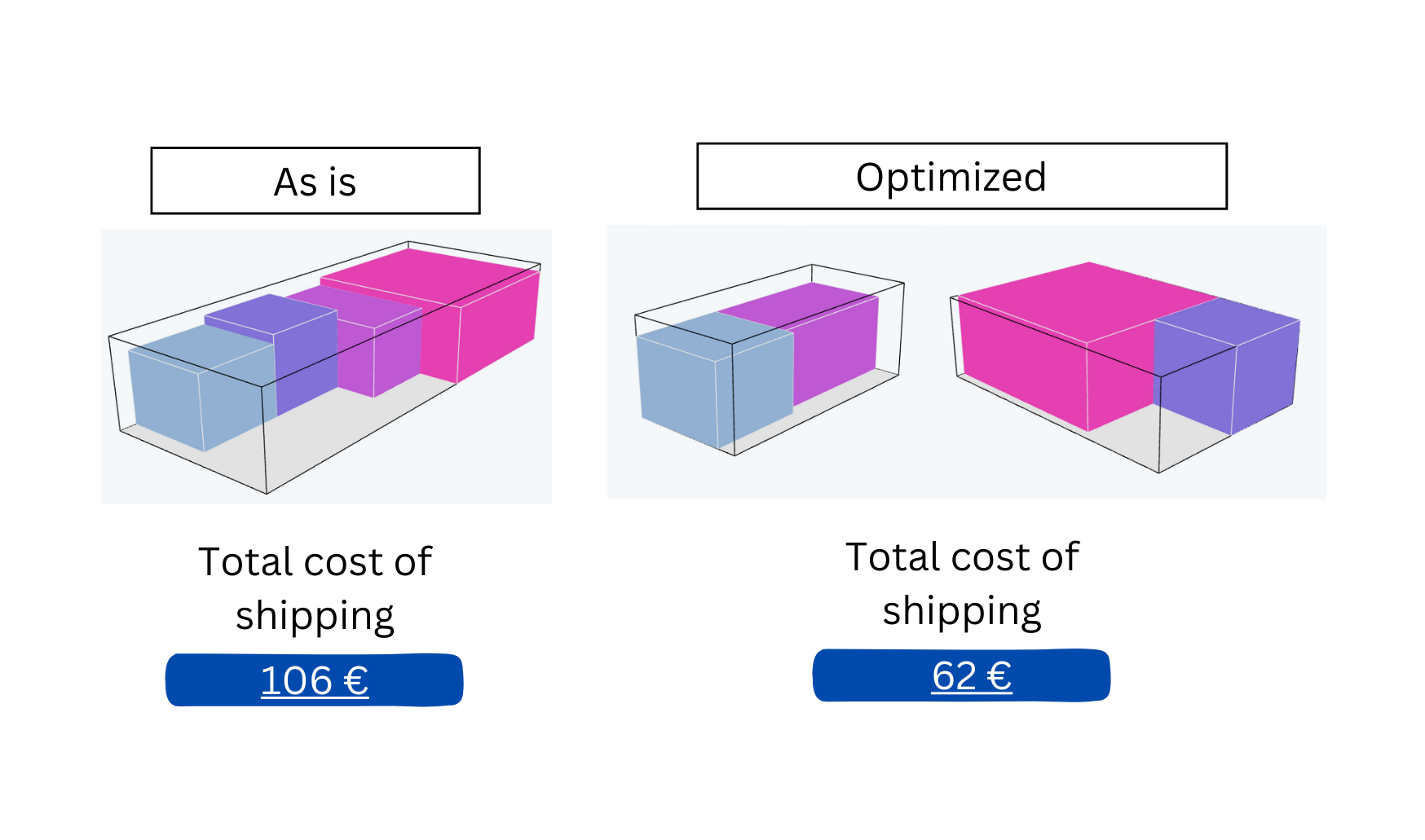

Unlock cost savings in parcel shipping with cost-efficient cartonization. Learn how surcharges and complex transport rates impact optimal packing.

Warehouse slotting optimization beyond ABC: read your pick heatmap, weigh trade-offs, then choose from 4 actions, from 10 end-of-shift moves to a full re-slot.

Warehouse optimization software (WOS) sits on top of your WMS and works out better pick routes, boxes, pallets and slots. How it works, vs WMS and automation.

Most slot plans weight walk distance highest. That is right at normal volumes and wrong in peak, because concentrating demand is exactly what shortens the walk.

Case picking means picking full cases of one SKU. It sits between piece and pallet picking, and the pick sequence decides how stable the pallet is.
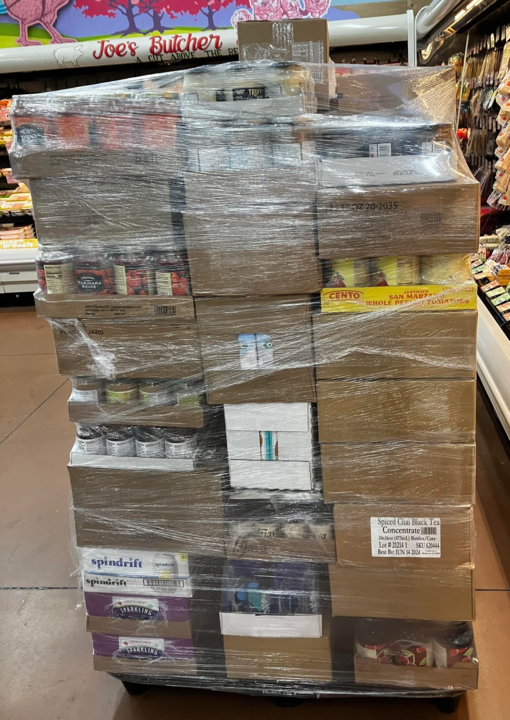

Mixed palletizing is the process of arranging different products, each with unique sizes and shapes, onto a single pallet for shipment.

Pick and pack warehousing comes down to three decisions: the box, the pick tour and the route. How to optimize each one, with pick-to-box and pick-to-pallet.


Benefits of cartonization you can measure: lower DIM weight charges, less carton and void fill, no restacks, fewer damages, PPWR compliance, carrier choice.

A digital warehouse map captures aisles, racks, movement rules, and constraints, giving optimization software the foundation to calculate the shortest pick paths, create smarter clusters, and test slotting strategies.

Picking drives ~50–60% of warehouse labor cost, and much of that spend is lost to travel between pick faces. While automation can help, its ROI is mixed, especially for 3PLs and e-commerce ops with seasonal swings, so many sites first turn to software optimization.