














.svg)
Guided 2D Packing Instructions
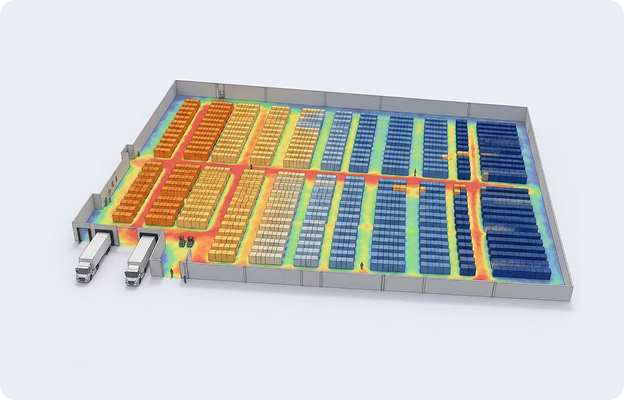
Learn how picking and packing connect in a large-scale warehouse setting.
Why Optimize Pallet Building?
Shipping Costs
Onboarding
Accuracy
Creates Stable, Compliant Pallets
Practical advantages teams see on day one

Stable pallets, fewer damages

Shorter routes, less walking

Lower transport cost exposure

Faster onboarding
Low capex, easy to pilot
Start Optimizing Pallet Building
3D Palletization software for full and stable pallet build step-by-step instructions.
Latest articles

Questions?
Single-item palletization uses only one type of product on a pallet, while mixed-case combines different products on the same pallet for delivery.
3D palletization software calculates the best way to stack items on a pallet by considering size, weight, and stability. It helps reduce damage and make better use of space.
Typically on a screen at the station (or a handheld/tablet), showing a simple layer-by-layer view for building.
When building a pallet important factors include product weight, box size, stacking strength, overhang, and the pattern used to arrange items on the pallet.
Mixed-case outbound pallets (store replenishment, e-commerce replenishment, wholesale orders), especially when order contents change every day.
Yes. Those kinds of handling and stacking rules are typical constraints used to keep pallets stable and reduce damage.
Yes. The pallet size and limits can be configured so the plan matches your pallet standards.